UAE Construction Sector Needs 47,000 Verified Workers by Q4 2026
UAE infrastructure projects are driving record demand for Indian skilled workers in 2026. Here is what the numbers mean for your job search.
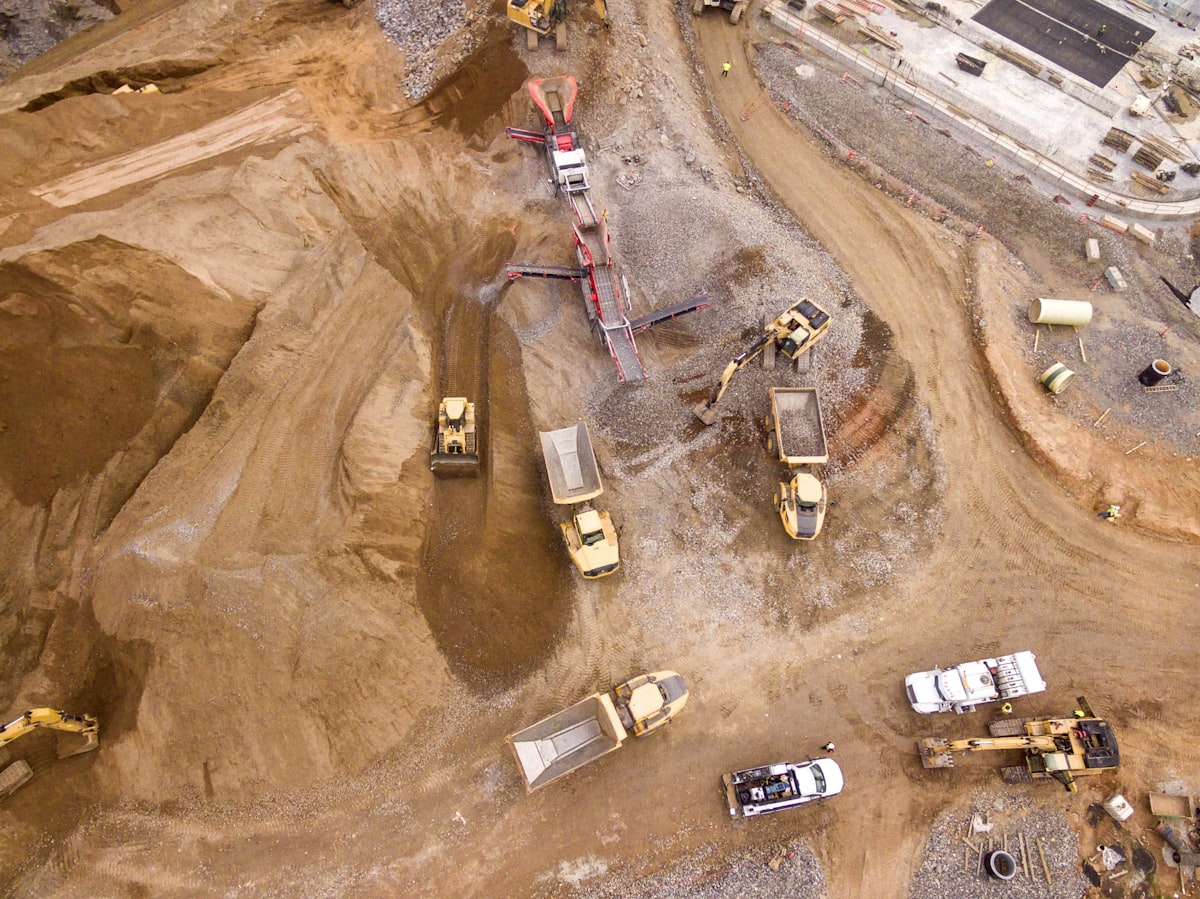
The UAE's construction pipeline for 2026 is the largest it has been since Expo 2020. MOHRE data shows construction work permits running at 30% above their 5-year average, and major contractors are struggling to fill skilled trades positions.
The figure - 47,000 verified workers - comes from aggregated employer demand data across active MOHRE-registered construction contracts in Abu Dhabi and Dubai. These are open requisitions, not projections.
What's Driving the Demand
Abu Dhabi's Urban Development Plan 2030
Abu Dhabi is executing a master plan covering new residential districts in Saadiyat Island Phase 2, Yas Island expansion, and significant healthcare and education infrastructure. The plan requires sustained construction workforce levels through 2028.
Dubai's 2040 Urban Master Plan
Dubai is developing five urban centres with new residential, hospitality, and commercial buildings. The plan targets a population of 5.8 million by 2040, requiring housing and infrastructure investment starting now.
UAE-India CEPA (Infrastructure Partnership)
The bilateral CEPA has unlocked new investment channels for Indian EPC companies executing construction in UAE. Several Indian contractors are now active in Abu Dhabi and Dubai and specifically prefer Indian trades workers.
Roles with Active Demand (April 2026)
| Role | Monthly Salary (AED) | Min Experience | Key Certification |
|---|---|---|---|
| Structural Steel Fabricator | 1,400-2,200 | 3 years | CSWIP/AWS preferred |
| Formwork Carpenter | 1,200-1,800 | 2 years | Site safety card |
| Rebar Fixer | 1,100-1,700 | 2 years | - |
| MEP Electrician (LV) | 1,600-2,400 | 3 years | DEWA approval preferred |
| Plumber (industrial) | 1,400-2,000 | 2 years | - |
| AC/HVAC Technician | 1,600-2,500 | 3 years | F-gas cert beneficial |
| Scaffolding Inspector | 1,800-2,600 | 3 years | CISRS Level 1 minimum |
| Crane Operator | 2,000-3,200 | 4 years | Valid UAE/CITB crane cert |
| QA/QC Inspector | 2,200-3,500 | 4 years | CSWIP 3.1 mandatory |
| Site Safety Officer | 2,000-3,000 | 3 years | NEBOSH IGC mandatory |
1 AED ≈ ₹23.5 (April 2026)
All roles include accommodation (or allowance), transport (or allowance), health insurance, and 30 days annual leave after 1 year.
Why Indian Candidates Hold 55% of UAE Construction Roles
This isn't sentiment - it's structural:
-
Training infrastructure: India's ITI and NCVT system produces more certified trades workers annually than any other country. UAE contractors have built their onboarding processes around Indian trade qualifications.
-
Established communities: Indian workers constitute 28-30% of UAE's total population. Retention rates for Indian trades workers in UAE are higher than for workers from most other sending countries.
-
Language: Hindi and Malayalam are widely spoken on UAE construction sites. Communication is simpler for Indian workers.
-
MOHRE-India bilateral framework: The UAE-India bilateral labour agreement provides specific protections and simplified processing for Indian workers.
Three Reasons UAE Applications Get Rejected
1. Qualification-role mismatch
Applying for electrician roles with a general ITI certificate but no specific electrical trade certification. UAE employers require trade-specific qualification - not a general diploma.
2. Unverifiable experience
Experience letters from companies that can't be contacted, have inconsistent letterheads, or don't exist on any business registry. UAE employers increasingly use LinkedIn, Zauba (Indian company verification), and direct phone verification.
3. GAMCA rejection
Most common GAMCA failures for UAE: TB, hepatitis B carrier status, and glucose abnormalities. Candidates who complete a pre-departure health screening and address flagged conditions in advance have significantly higher clearance rates.
The Profile That Gets Shortlisted
| Factor | Weight in Selection |
|---|---|
| Trade-specific ITI/NCVT certification | High |
| Previous Gulf experience (any country) | High |
| NEBOSH or trade safety certification | Medium-High |
| English communication (basic) | Medium |
| Age 24-40 | Medium |
| Clean medical (GAMCA pre-cleared) | High |
The two non-negotiables are trade certification and clean medical. Everything else is competitive advantage.
5-Step Preparation Checklist
Step 1: Confirm your ITI/NCVT certificate is trade-specific and NSDC-verified (QR code on certificate). If not, contact your institution for a re-issue.
Step 2: Collect experience letters from all previous employers - on letterhead with company stamp, signatory designation, email, and phone.
Step 3: Book GAMCA medical at an approved centre (gamca.net). Go for a pre-assessment if you have any known health condition. Reports valid for 3 months.
Step 4: Get certificates attested - State HRD → MEA apostille. Check if Saudi/UAE Embassy attestation is required for your specific role.
Step 5: For ECR passport holders, ensure emigration clearance is registered on eMigrate before departure.
When to Apply
The peak UAE construction hiring window runs February - May and September - November. Projects plan workforce 3-4 months ahead of mobilisation dates.
Applying now (April 2026) puts you in the window for July - August mobilisations - when the next major project phases begin.
47,000 positions. The demand is verified. The timing is now.
Browse verified UAE employer listings on skilledupIndia - MOHRE-registered contractors, zero fees.