Saudi Arabia Q2 2026 Job Growth: Where Indian Workers Find Demand When UAE Slows
UAE hiring fell 23% year-on-year in Q2 2026. Saudi Arabia posted growth in the same period. Indian agencies treating GCC as one market are sourcing for the wrong one.
UAE hiring activity fell 23% year-on-year in April and May 2026. In the same period, Saudi Arabia posted its strongest Q2 growth in the post-COVID cycle, driven by Vision 2030 project delivery acceleration. (Source: NaukriGulf Hiring Index, July 2026. Arab News Vision 2030 jobs data, Q2 2026. Verify with respective sources.) The two markets are moving in opposite directions. Indian agencies still treating the GCC as a single homogeneous market are sourcing for the wrong one.
The UAE Slowdown - What the Data Shows
The NaukriGulf Hiring Index published in July 2026 recorded a 23% year-on-year decline in overall UAE hiring during April and May 2026. The primary factor cited is regional geopolitical tension reducing employer hiring confidence and pushing project approval timelines into H2 2026. (Source: NaukriGulf Hiring Index, July 2026. Verify with NaukriGulf.)
The decline is not uniform across the UAE economy. Construction and infrastructure roles tied to confirmed government-backed projects held comparatively better than retail and hospitality. F&B and facility services showed the steepest contraction in the Q2 data. Private sector retail chains paused Indian worker intake in April-May pending clarity on Emiratisation quota compliance alongside the broader hiring slowdown.
For Indian agencies that primarily source against UAE demand, Q2 2026 represents the first sustained quarterly decline since the 2022 - 2023 recovery. Placement cycle times for UAE roles extended by 3 - 5 weeks as employers paused approvals and confirmation-to-visa delays increased across the board.
What Is Driving Saudi Growth in Q2 2026
Arab News data from Q2 2026 reported private sector employment growth in Saudi Arabia, attributed to three mechanisms: Vision 2030 project delivery reaching active construction phase, the Shareek Programme private sector expansion mandate, and domestic manufacturing capacity growth generating logistics and supply chain demand. (Source: Arab News Vision 2030 sector data, Q2 2026. Verify current figures with MHRSD at HRSD portal.)
The specific demand translating to Indian worker placement across sectors:
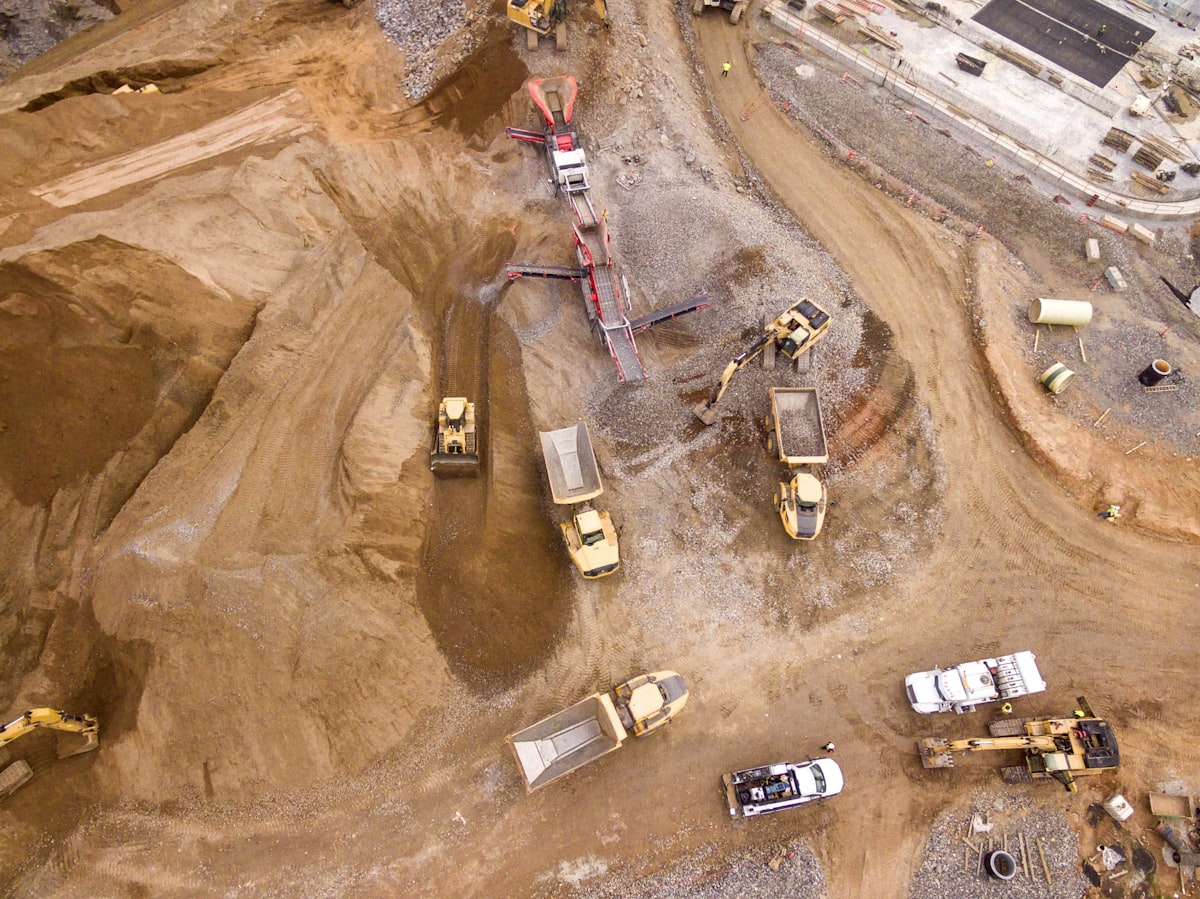
Infrastructure and civil works: NEOM Phase 2 and the Red Sea Project moved from planning to active construction at scale in Q2 2026. Demand for civil trades - concrete finishers, steel fixers, reinforcement bar benders, and heavy equipment operators - is at its highest since 2023. Saudi Aramco supply chain expansion is generating additional demand for welders and pipefitters with ASME and AWS certification. The specific trades breakdown by giga-project is in our Saudi giga-projects trades demand guide.
Logistics and warehousing: Saudi Arabia's domestic logistics buildout under the National Logistics Centre programme is generating consistent demand for forklift operators, warehouse supervisors, and dispatch controllers. Processing time for Saudi logistics roles in Q2 2026 was approximately 10 days shorter than equivalent UAE logistics placements.
Hospitality: Saudi Vision 2030 hotel capacity expansion is at pre-opening stage across Riyadh, Jeddah, and AlUla. This means the demand is for the types of Indian workers most agencies already pipeline: housekeeping, F&B, maintenance, and kitchen roles. These categories are not subject to the Nitaqat pressure that affects banking and insurance (covered separately in our Nitaqat 2026 guide).
Healthcare: Saudi MOH and KFSH system expansion continues independently of cyclical slowdowns. Healthcare placement into Saudi Arabia is structurally less affected by geopolitical tension than private-sector-driven industries. SCFHS processing for Indian clinical workers continued at normal pace through Q2 2026.
Q2 2026 Demand by Sector: UAE vs Saudi Arabia
| Sector | UAE Q2 2026 | Saudi Arabia Q2 2026 |
|---|---|---|
| Civil trades / construction | Slowed | Strong growth |
| Logistics / warehousing | Slowed | Growing |
| Hospitality (F&B, housekeeping) | Contracted | Pre-opening demand |
| Healthcare (nursing, allied) | Stable | Stable |
| Retail / commercial | Sharpest contraction | Moderate / Nitaqat pressure |
Source: NaukriGulf Hiring Index, July 2026 (UAE data) + Arab News Vision 2030 sector data, Q2 2026 (Saudi Arabia). Directional - verify current vacancies with employer before sourcing.
Where Indian Agency Sourcing Is Pivoting
Agencies with visibility into Q2 2026 placement data are reporting a clear shift: UAE conversion cycles extended by 3 - 4 weeks in April-May 2026. Saudi Arabia conversion cycles shortened for trades and logistics roles by approximately 10 days over the same period.
The practical effect: an Indian agency that previously split its active pipeline 70% UAE and 30% rest-of-GCC is finding the Q2 2026 data pushes a 55/45 rebalancing if it wants to maintain throughput. Saudi Arabia is absorbing much of that shifted pipeline - but not all agencies have the Saudi employer relationships to execute the pivot efficiently. Agencies that have not built direct Saudi employer access through platforms or direct sourcing agreements are finding Saudi slots inaccessible at speed.
Two operational requirements for Saudi sourcing that UAE-focused agencies may not have in place yet:
- SCFHS pre-screening for healthcare candidates - Saudi licencing requires primary source verification through SCFHS before the work visa is processed. Agencies placing healthcare workers in UAE on DHA track need to rebuild the documentation sequence for SCFHS. The Saudi health authority track is longer by 2 - 3 weeks for first-time submissions.
- GAMCA medical panel - Saudi Arabia requires its own approved medical panel for the pre-departure medical. Agencies may need to direct candidates to Saudi-approved GAMCA panels rather than UAE-approved panels they have been using. This adds a logistical step that UAE-accustomed sourcing workflows do not have.
The specific sectors where Indian demand is concentrated in Saudi Arabia are covered in our Saudi non-oil sector analysis.
The UAE Q2 2026 slowdown is a confidence-driven contraction, not a structural collapse. But it has validated what Saudi Arabia's project pipeline suggested: the market mix for Indian placement is shifting, and agencies that have not built direct Saudi employer access are feeling it most acutely in their Q2 2026 conversion rates.
Browse verified Saudi Arabia employer listings on skilledupIndia - every employer verified before going live, zero fees for candidates.